Triple-decker
c. 1880–c. 1930 · Early apartments period
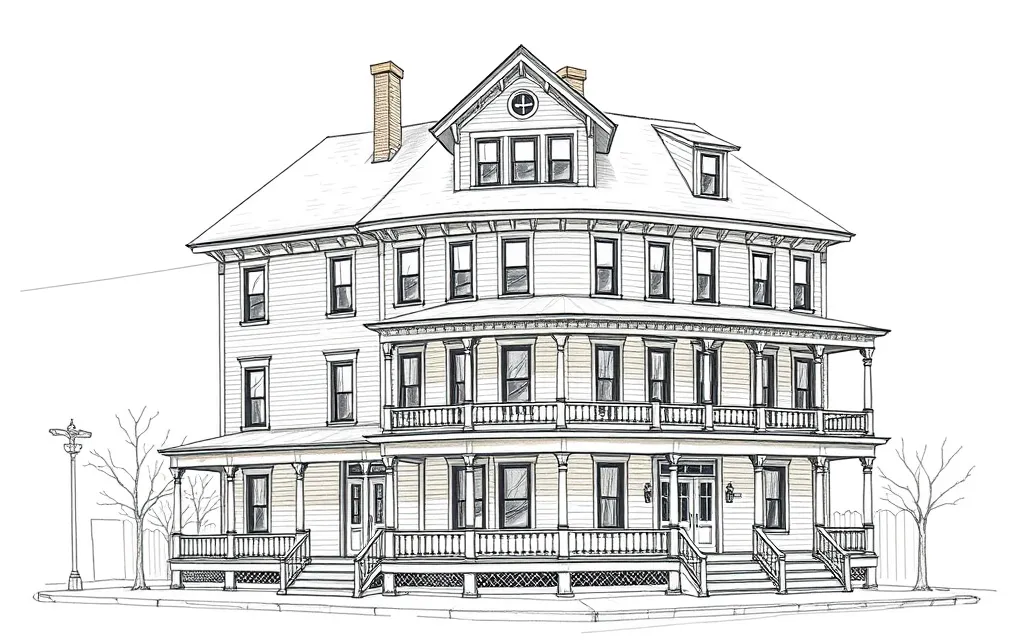
Three-story wooden apartment houses with one flat on each floor and stacked front porches, common in the industrial cities of New England.
Description
A triple-decker is a freestanding, three-story wooden house with a separate apartment on each floor. The narrow end faces the street, often with a projecting bay rising the full height of the house, and porches stacked on top of each other across the front or back.
Most are clad in clapboards or shingles with a flat or low-pitched roof hidden behind a cornice, or a front gable. They were built with Queen Anne, Colonial Revival and Craftsman trim, especially on the porches.
Key characteristics
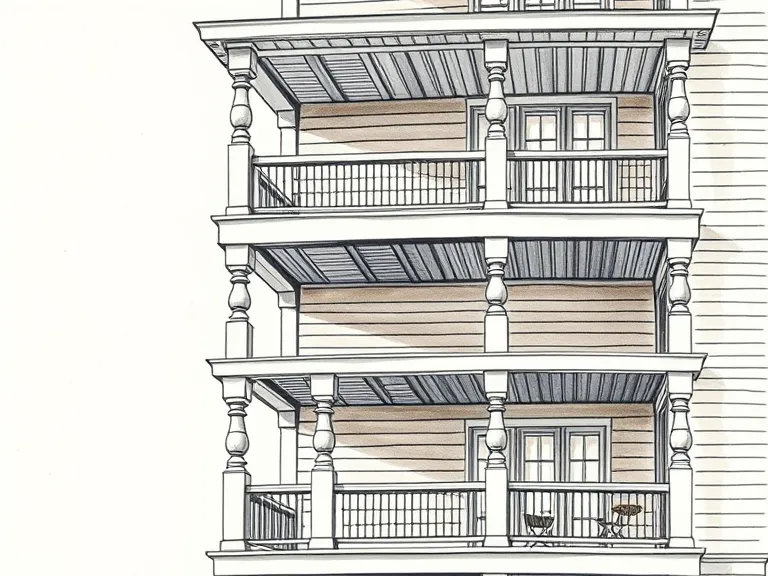
Stacked porches
Three porches, one for each apartment, stacked on top of each other.
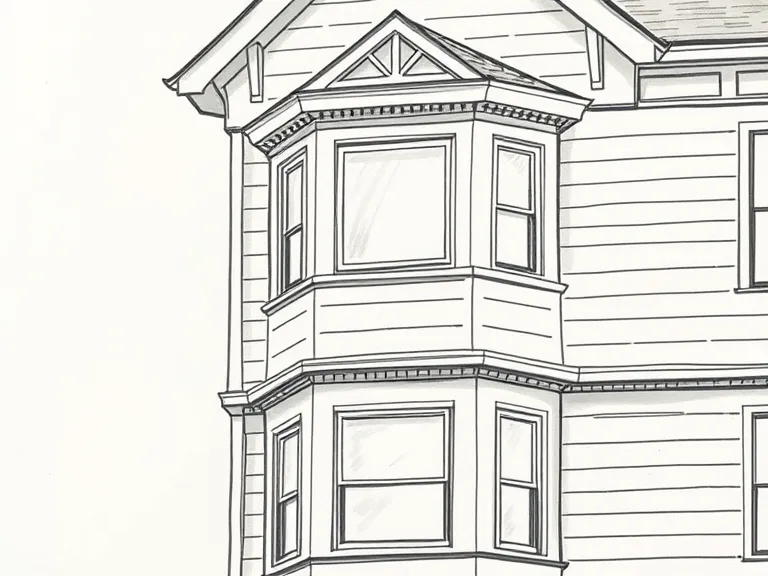
Full-height bay
A projecting bay window rising through all three stories.
Three equal floors
Three stories, each a separate flat with the same plan.
Wood cladding
Clapboards or shingles over a wooden frame.
Flat roof
A flat roof behind a bracketed cornice, or a front gable.
Where you'll find it
- Dorchester, Boston MA
- Worcester MA
- Somerville MA
- Fall River MA
- Providence RI
- Hartford CT
History and context
Triple-deckers housed the families who worked in New England's mills and factories, many of them Irish, French-Canadian, Italian and Portuguese immigrants. They were cheap to build, gave every apartment light and air on all sides, and let an owner live on one floor and rent out the other two.
Tens of thousands were built between 1880 and 1930, and they remain the defining house type of Boston's neighborhoods and cities such as Worcester. After World War I, many towns restricted new wooden triple-deckers over fire risk.
Triple-decker homes on history.house
No homes have been identified in this style yet. Identify your home's style from a photo, or search for an address.
Sources: Virginia Savage McAlester, A Field Guide to American Houses (1984; revised 2013); National Park Service, National Register of Historic Places nominations and multiple property documentation; Elizabeth Collins Cromley, Alone Together: A History of New York's Early Apartments (1990). Sketches are illustrations generated for this guide, not photographs of real buildings.