Tenement
c. 1850–c. 1930 · Early apartments period
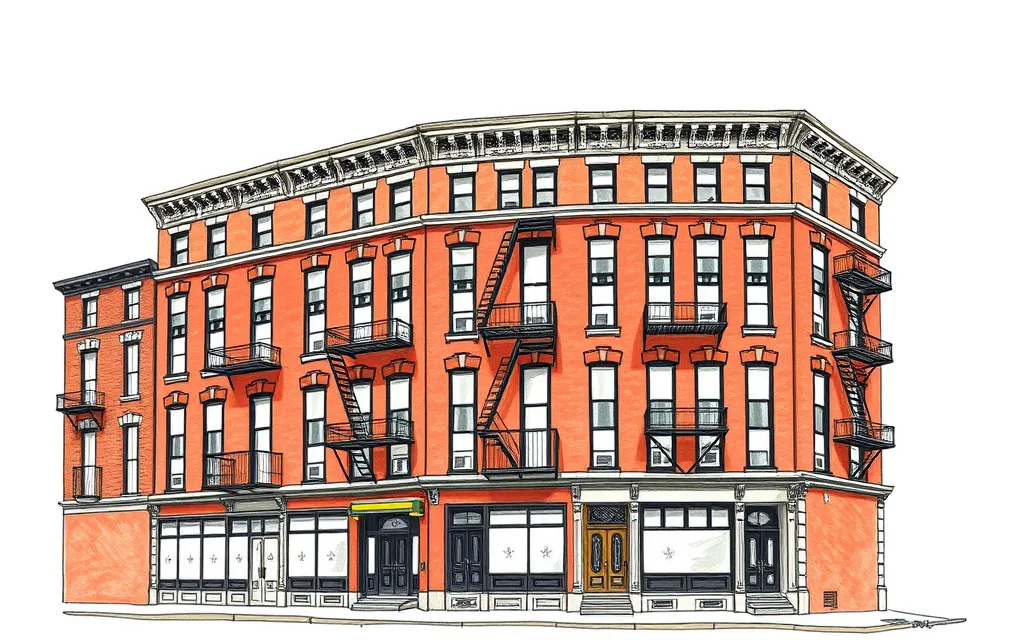
Four- to six-story brick walk-up apartment buildings on narrow city lots, with fire escapes on the front, a pressed-metal cornice and often shops at street level.
Description
A tenement is a walk-up apartment building of four to six stories, built to fill a narrow city lot, with several small apartments on each floor reached by a shared stair. Many have a shop or saloon on the ground floor and a short stoop up to the residential entrance.
Fronts are of red brick or brownstone, with rows of identical windows under stone or cast-iron lintels, iron fire escapes zigzagging down the facade, and a projecting pressed-metal cornice at the roofline. Later 'new law' tenements are wider, built around courtyards and light shafts, and often have more decoration.
Key characteristics
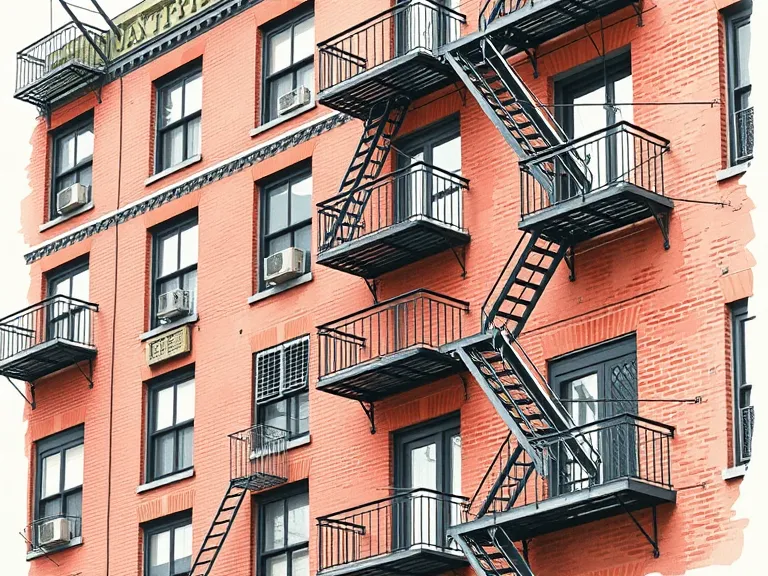
Fire escapes
Iron fire escapes with ladders and balconies across the front of the building.
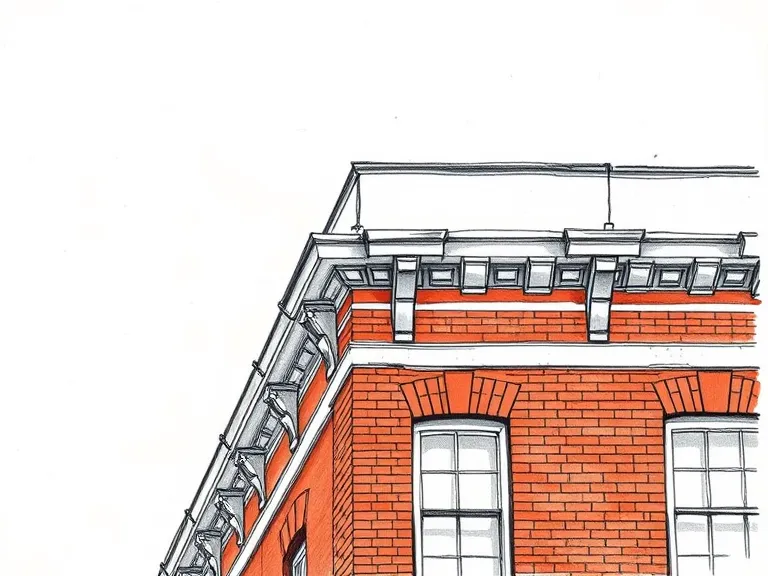
Pressed-metal cornice
A heavy projecting cornice with brackets along the roofline.
Shops below
Storefronts at street level, with the apartments above.
Narrow lot
A front typically 25 feet wide, filling the lot from side to side.
Rows of windows
Identical windows on each floor under stone or iron lintels.
Where you'll find it
- Lower East Side, Manhattan NY
- East Village, Manhattan NY
- Harlem, Manhattan NY
- Williamsburg, Brooklyn NY
- Hoboken NJ
- North End, Boston MA
- Pilsen, Chicago IL
History and context
Tenements housed the millions of immigrants who arrived in American cities in the 1800s and early 1900s. Early ones were often dark and overcrowded, with interior rooms that had no windows at all.
New York's tenement laws drove much of their design. The Tenement House Act of 1879 required a window in every room, producing the 'dumbbell' plan with narrow air shafts, and the Tenement House Act of 1901 (the 'new law') required larger courtyards, running water and a toilet in every apartment. Many tenements remain in use as apartments today.
Tenement homes on history.house
No homes have been identified in this style yet. Identify your home's style from a photo, or search for an address.
Sources: Virginia Savage McAlester, A Field Guide to American Houses (1984; revised 2013); National Park Service, National Register of Historic Places nominations and multiple property documentation; Elizabeth Collins Cromley, Alone Together: A History of New York's Early Apartments (1990). Sketches are illustrations generated for this guide, not photographs of real buildings.