Spanish Colonial Revival
c. 1915–c. 1940 · Eclectic period
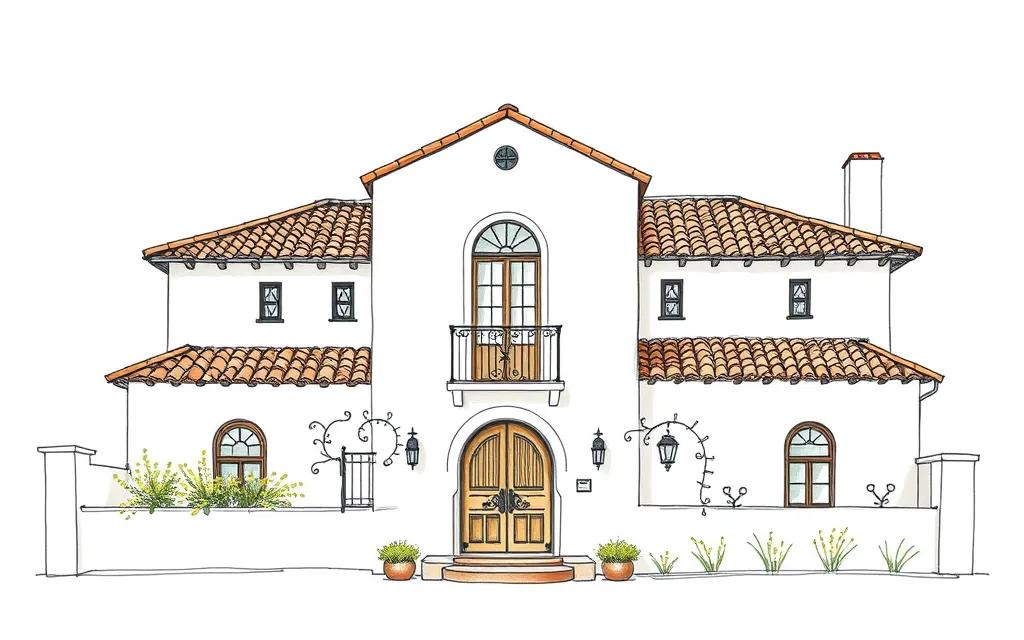
Stucco houses with low-pitched red tile roofs, little or no eave overhang, arched windows and doors, wrought-iron grilles and balconies, and often a courtyard.
Description
Spanish Colonial Revival (McAlester's Spanish Eclectic) draws on the whole history of Spanish architecture, from Andalusian farmhouses to Mexican churches. The houses are usually asymmetrical, with low-pitched red tile roofs, often with little overhang, and white or cream stucco walls.
Arches are everywhere: over the front door, the principal window and porches. Detail is concentrated in a few places, such as a carved or tiled door surround, wrought-iron window grilles and balconies, decorative tiles and a chimney with a small tiled roof. Many houses are planned around a patio or courtyard.
Key characteristics
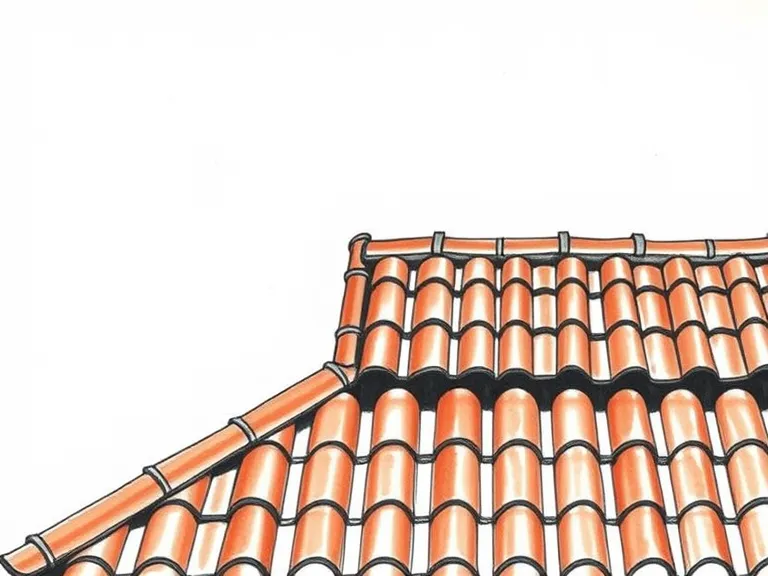
Red tile roof
Low-pitched roofs of red clay barrel tiles, often with little eave overhang.
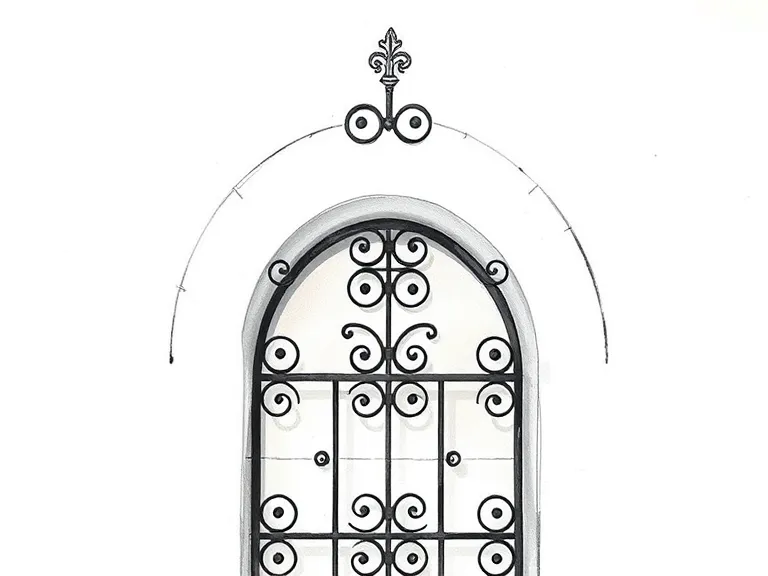
Wrought iron
Iron window grilles, balconies and lanterns.
Arched openings
Round-arched front doors, focal windows and porch openings.
Stucco walls
Thick-looking white or cream stucco walls with few openings.
Decorative tile
Colorful glazed tiles around doors, stairs and fountains.
Courtyard
A patio or courtyard enclosed by wings of the house or garden walls.
Where you'll find it
- Santa Barbara CA
- Coral Gables FL
- Palos Verdes Estates CA
- Rancho Santa Fe CA
- Olmos Park, San Antonio TX
- Palm Beach FL
- Los Feliz, Los Angeles CA
History and context
Bertram Goodhue's buildings for the 1915 Panama-California Exposition in San Diego's Balboa Park showed Americans the richer Spanish Baroque architecture of Spain and Mexico, and inspired a new, more varied Spanish style. It boomed in Southern California and Florida during the land rush of the 1920s.
After an earthquake in 1925, Santa Barbara rebuilt its downtown almost entirely in the style, and George Merrick built Coral Gables in Florida as a planned Mediterranean city. The style declined in the 1940s, but its tile roofs and stucco walls live on in many newer houses in the Sun Belt.
Spanish Colonial Revival homes on history.house
No homes have been identified in this style yet. Identify your home's style from a photo, or search for an address.
Style names and periods follow Virginia Savage McAlester, A Field Guide to American Houses (1984; revised 2013). Sketches are illustrations generated for this guide, not photographs of real houses.