Pueblo Revival
c. 1905–present · Eclectic period
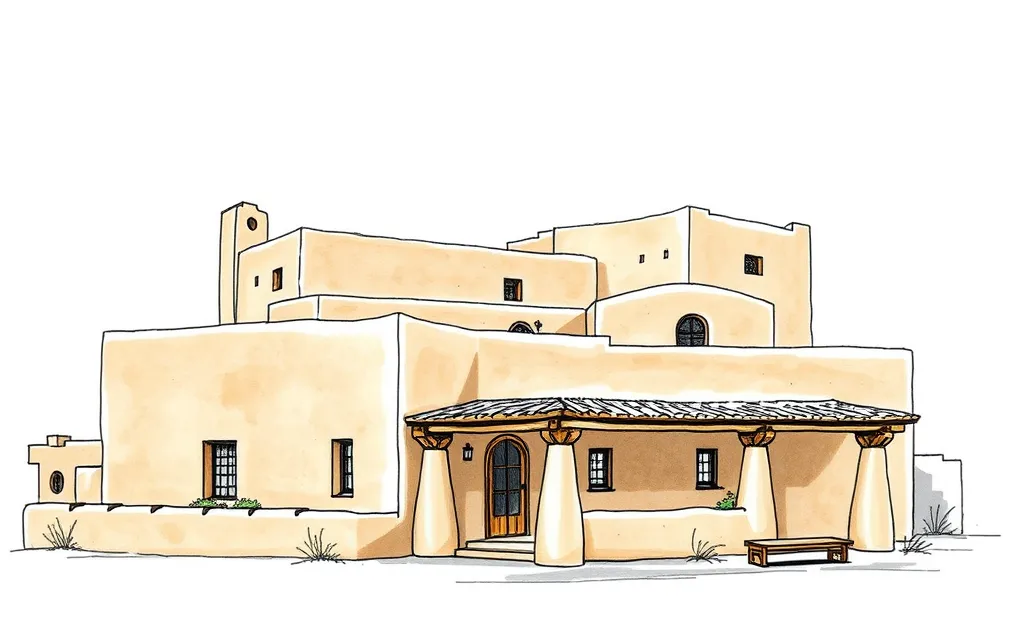
Flat-roofed houses with rounded, earth-colored adobe or stucco walls, projecting roof beams (vigas) and stepped, terraced forms modeled on Native American pueblos.
Description
Pueblo Revival houses imitate the multistory adobe pueblos of the Rio Grande valley and the Spanish missions built alongside them. They have flat roofs behind low parapets with rounded edges, thick-looking walls in earth tones, and irregular, stepped forms.
Roof beams (vigas) project through the walls, and water runs off through wooden or tile spouts (canales). Windows are small and deeply set, porches (portales) are supported on round wooden posts with carved corbels, and many houses have a beehive-shaped corner fireplace inside.
Key characteristics
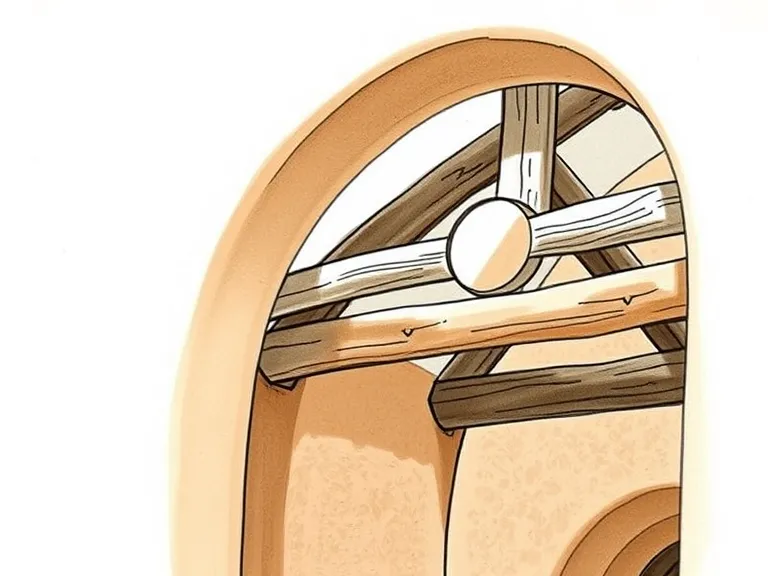
Projecting vigas
Round wooden roof beams poking out through the top of the walls.
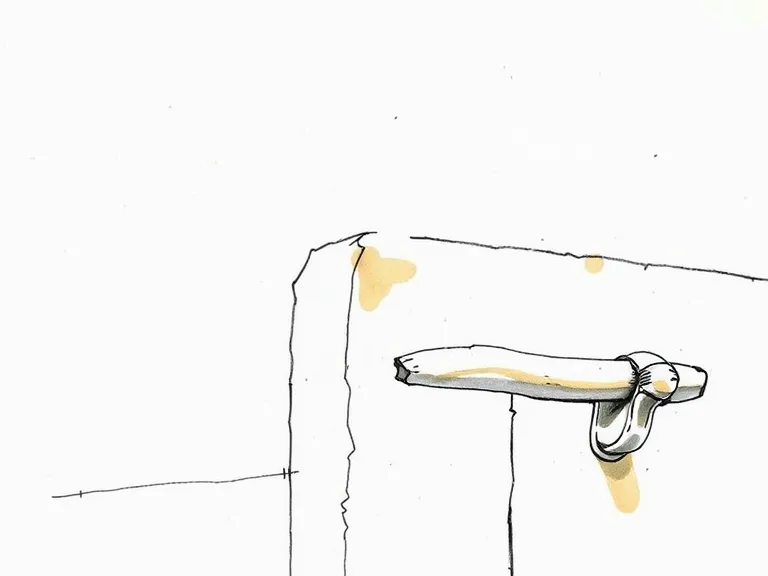
Rounded parapets
Flat roofs behind soft-edged parapets, with stepped, terraced forms.
Earth-toned walls
Adobe or stucco walls in browns and tans, with rounded corners.
Canales
Wooden or tile spouts that drain the flat roof through the parapet.
Portal
A covered porch on round wooden posts with carved corbels.
Where you'll find it
- Santa Fe NM
- Albuquerque NM
- Taos NM
- Tucson AZ
- Scottsdale AZ
- El Paso TX
History and context
Pueblo Revival grew out of a movement in New Mexico in the early 1900s to give the territory, and then state, a distinctive regional architecture. Architects such as Isaac Hamilton Rapp and John Gaw Meem designed public buildings in the style, and in 1957 Santa Fe required new buildings in its historic district to follow it.
It remains the defining style of New Mexico and is common throughout the desert Southwest, often built with stucco over frame or concrete block rather than true adobe. Related versions include the Territorial style, with brick-capped parapets and Greek Revival window trim.
Pueblo Revival homes on history.house
No homes have been identified in this style yet. Identify your home's style from a photo, or search for an address.
Style names and periods follow Virginia Savage McAlester, A Field Guide to American Houses (1984; revised 2013). Sketches are illustrations generated for this guide, not photographs of real houses.