Mid-century Modern Apartments
c. 1945–c. 1975 · Postwar apartments period
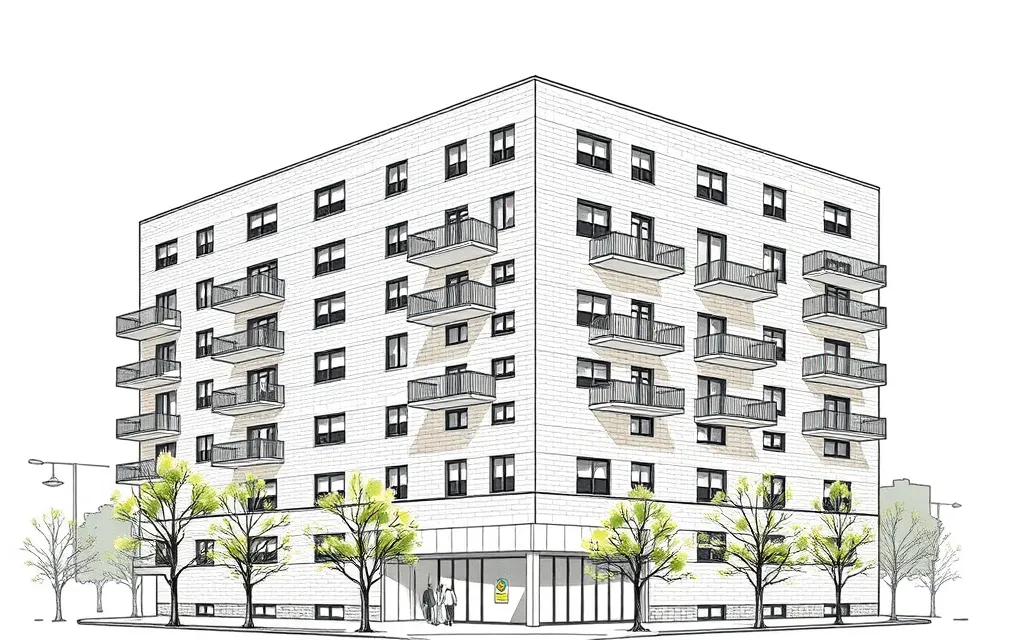
Postwar apartment buildings with flat roofs, ribbon windows or glass walls, balconies, and brick or panel walls, from small walk-ups to high-rise slabs.
Description
Mid-century Modern apartment buildings use the simple geometry of modernism: flat roofs, long bands of windows or walls of glass, projecting balconies and plain walls of brick, stucco or colored panels. Ground floors may be raised on columns over parking or set back behind a glass lobby.
They range from two-story garden-court buildings in California and the Sun Belt to the steel-and-glass towers of Mies van der Rohe's Lake Shore Drive apartments in Chicago and the white-brick high-rises of postwar New York.
Key characteristics
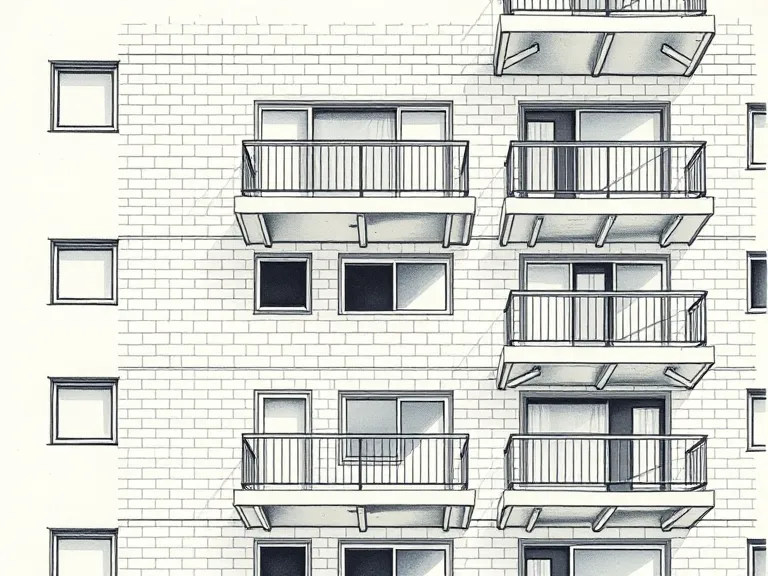
Projecting balconies
Balconies projecting from a plain facade, with simple metal railings.
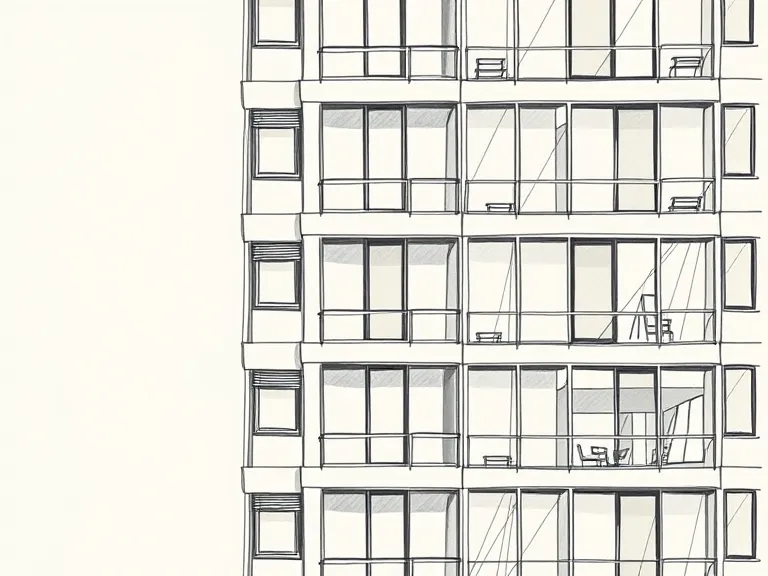
Glass walls
Long bands of windows or floor-to-ceiling glass.
Flat roof
A flat roof with no cornice.
Plain walls
Brick, stucco or colored panels with little ornament.
Raised ground floor
A ground floor on columns, or a glass lobby set back.
Where you'll find it
- Lake Shore Drive, Chicago IL
- Murray Hill, Manhattan NY
- Palm Springs CA
- West Los Angeles CA
- Arlington VA
- Houston TX
History and context
After World War II, modern architecture became the standard for new apartment buildings. Mies van der Rohe's 860–880 Lake Shore Drive (1951) in Chicago set the pattern for the glass apartment tower, while builders across the country put up simpler modern walk-ups and mid-rise blocks.
In New York, white-glazed brick apartment buildings with balconies became a common sight in Manhattan and the boroughs in the 1950s and 1960s.
Mid-century Modern Apartments homes on history.house
No homes have been identified in this style yet. Identify your home's style from a photo, or search for an address.
Sources: Virginia Savage McAlester, A Field Guide to American Houses (1984; revised 2013); National Park Service, National Register of Historic Places nominations and multiple property documentation; Elizabeth Collins Cromley, Alone Together: A History of New York's Early Apartments (1990). Sketches are illustrations generated for this guide, not photographs of real buildings.