Art Deco Apartments
c. 1925–c. 1945 · Early apartments period
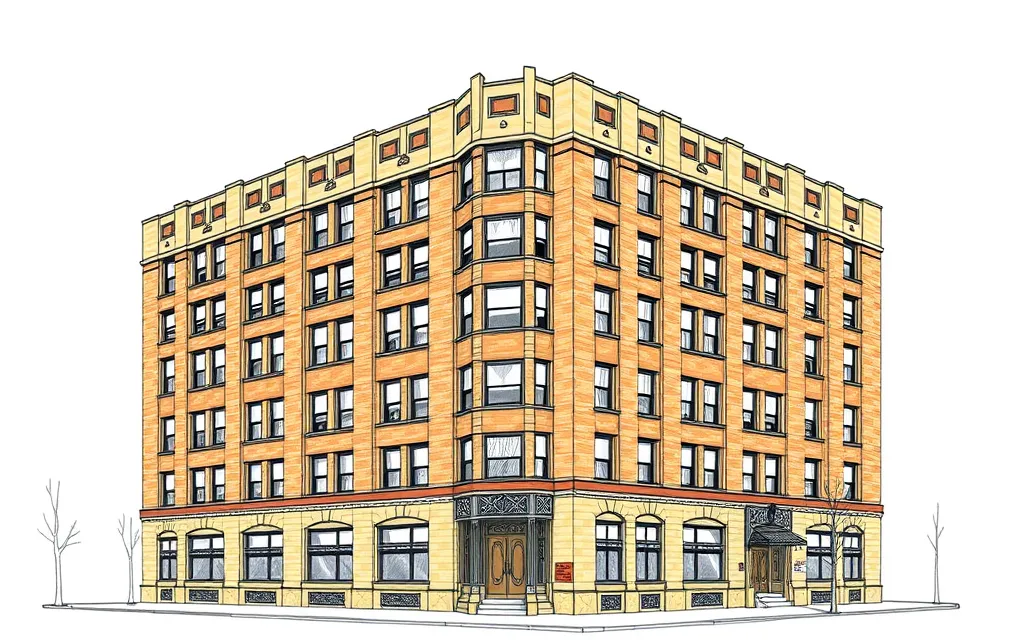
Apartment buildings with stepped setbacks, vertical piers, patterned brick, zigzag and sunburst ornament, and streamlined corners in the 1930s.
Description
Art Deco apartment buildings stress the vertical, with piers rising between the windows to stepped setbacks and a decorated top. Patterned brickwork, terra-cotta panels and metal spandrels carry zigzag, chevron, sunburst and stylized plant ornament, concentrated around the entrance and the skyline.
In the 1930s many took on Streamline Moderne curves: rounded corner windows, horizontal bands and glass block. In Miami Beach the style appears as low, pastel stucco hotels and apartments with eyebrows over the windows.
Key characteristics
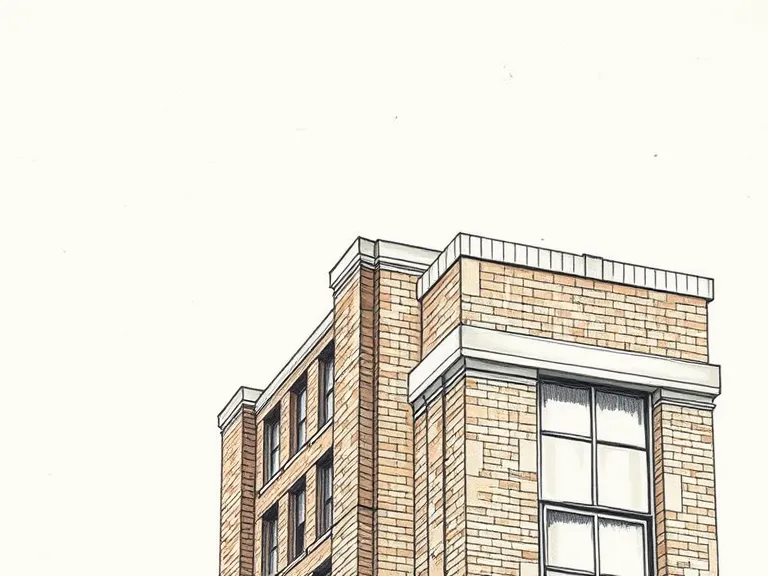
Stepped setbacks
Upper floors stepping back to a decorated top.
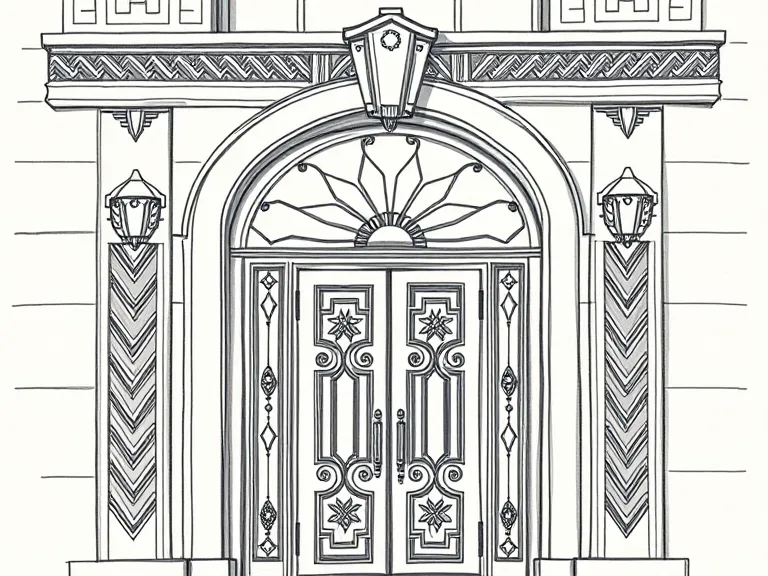
Ornate entrance
An entrance framed with geometric metal, terra-cotta or stone ornament.
Vertical piers
Brick piers rising between the windows.
Corner windows
Wrap-around corner windows, often in Streamline buildings.
Patterned brick
Brick in contrasting colors and patterns.
Where you'll find it
- Grand Concourse, Bronx NY
- Jackson Heights, Queens NY
- Miami Beach FL
- Hollywood, Los Angeles CA
- Mid-Wilshire, Los Angeles CA
- Lakeview, Chicago IL
History and context
Art Deco spread from the 1925 Paris exhibition to American skyscrapers and then to apartment buildings in the late 1920s and 1930s. The Grand Concourse in the Bronx has one of the largest groups of Art Deco apartment buildings in the country.
Miami Beach's Art Deco district, built mostly in the 1930s, was listed on the National Register of Historic Places in 1979 after a campaign to save it.
Art Deco Apartments homes on history.house
No homes have been identified in this style yet. Identify your home's style from a photo, or search for an address.
Sources: Virginia Savage McAlester, A Field Guide to American Houses (1984; revised 2013); National Park Service, National Register of Historic Places nominations and multiple property documentation; Elizabeth Collins Cromley, Alone Together: A History of New York's Early Apartments (1990). Sketches are illustrations generated for this guide, not photographs of real buildings.