Federation Queen Anne
c. 1890–c. 1915 · Federation period
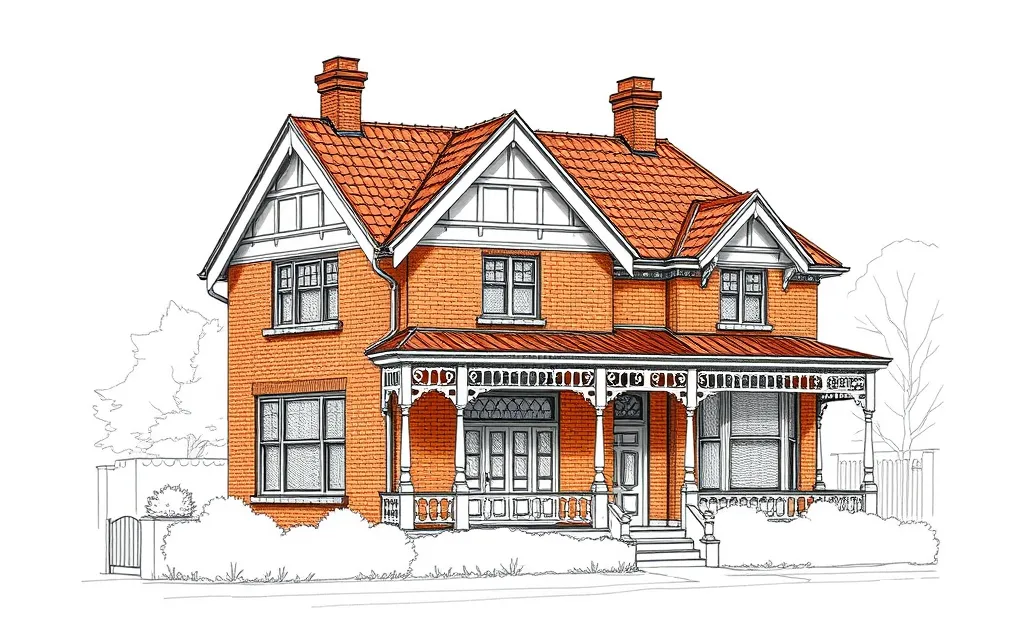
Picturesque red-brick houses with terracotta roofs, street-facing gables, turned verandah posts and leadlight windows, the classic 'Federation house'.
Description
Federation Queen Anne is the style most people mean by a 'Federation house'. It is picturesque and asymmetrical, with a complex roof of terracotta tiles, a gable facing the street, a verandah that often turns the corner, and a corner window or bay.
Red face brick, white-painted timber, half-timbered gables, turned verandah posts with fretwork and tall corbelled chimneys give the style its warm, busy look. Australian motifs such as waratahs, flannel flowers and kookaburras often appear in leadlight, tiles and timberwork.
Key characteristics
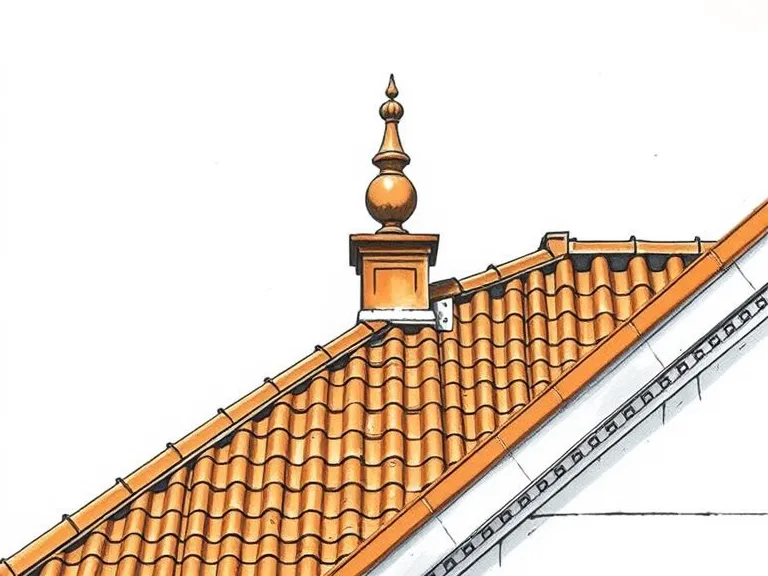
Terracotta roof
A complex hipped and gabled roof of Marseilles terracotta tiles, with decorative ridge cresting and finials (sometimes dragons).
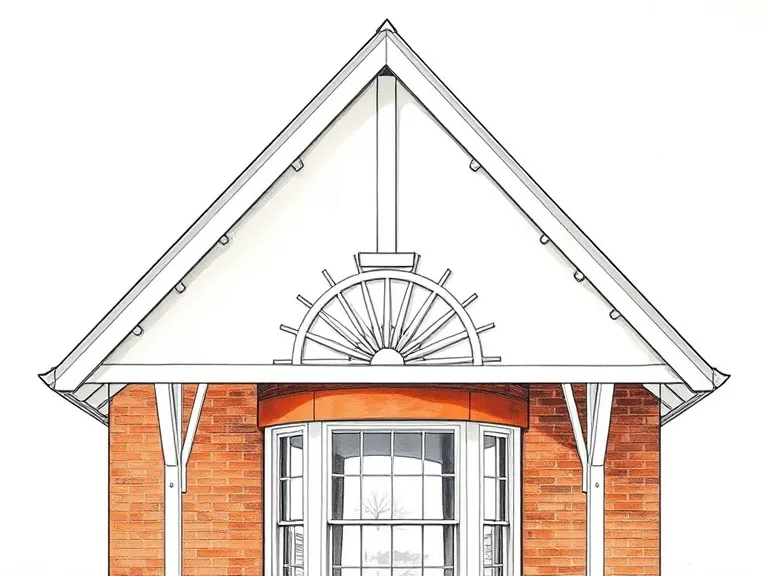
Street-facing gable
A prominent gable with half-timbering, roughcast or shingles, often over a bay window. Some have a timber rising sun in the apex: a half-sun with three, five or seven rays, cut into the fret board or set over the battens.
Corner verandah
A verandah that wraps around the corner, with turned timber posts, brackets and a fretwork frieze.
Red face brick
Dark red or liver-coloured brick, often with tuck pointing and contrasting rendered bands.
Leadlight windows
Casement or sash windows with coloured leadlight, often with Australian flora.
Tall chimneys
Tall corbelled brick chimneys with terracotta pots.
Where you'll find it
- Haberfield NSW
- Strathfield NSW
- Ashfield NSW
- Mosman NSW
- Chatswood NSW
- Lindfield NSW
- Wahroonga NSW
- Camberwell VIC
- Surrey Hills VIC
- Malvern VIC
- Mount Lawley WA
- Unley SA
On history.house so far: Mosman (9), Chatswood (1), Dawes Point (1), Greenwich (1), Roseville (1), Seaforth (1).
History and context
The Queen Anne style was developed in England in the 1870s by architects such as Richard Norman Shaw, who mixed Tudor, Dutch and early classical features into informal, comfortable houses. It reached Australia in the late 1880s and quickly took on a local flavour.
In the years around Federation (1901), it became a symbol of the new nation's suburban ideal: a detached house in its own garden. Haberfield in Sydney, promoted from 1901 as a 'Federation suburb', is almost entirely made up of houses in this style.
The rising sun motif in gables expressed the same optimism: a new dawn for a new nation. It was never universal, though. Only a minority of Federation gables have one; most use plain vertical battens.
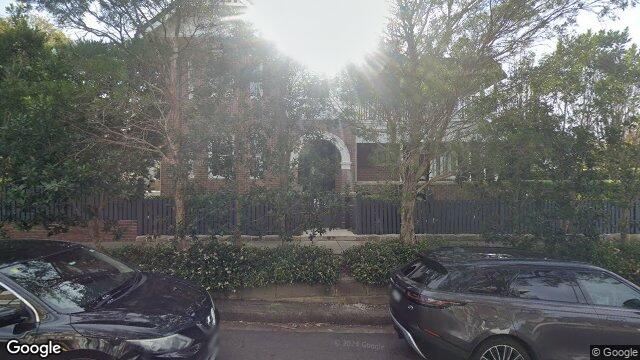
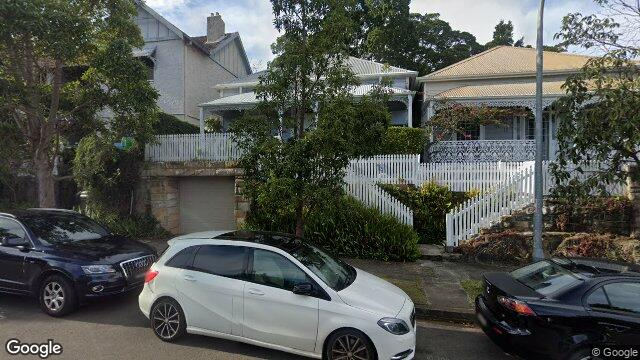
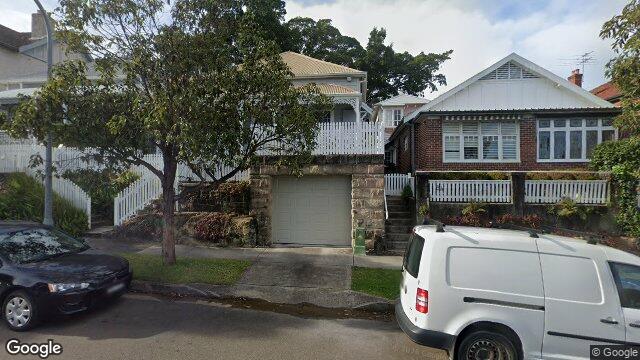
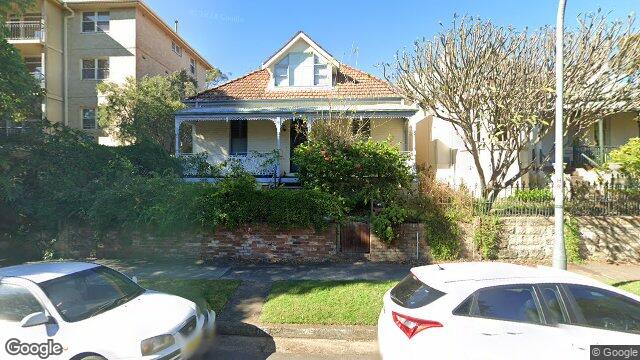
Federation Queen Anne homes on history.house
14 homes identified as Federation Queen Anne from their style analysis.
- 369 Penshurst St, Chatswood NSW 2067, AustraliaFederation Queen Anne · built 1915–1930
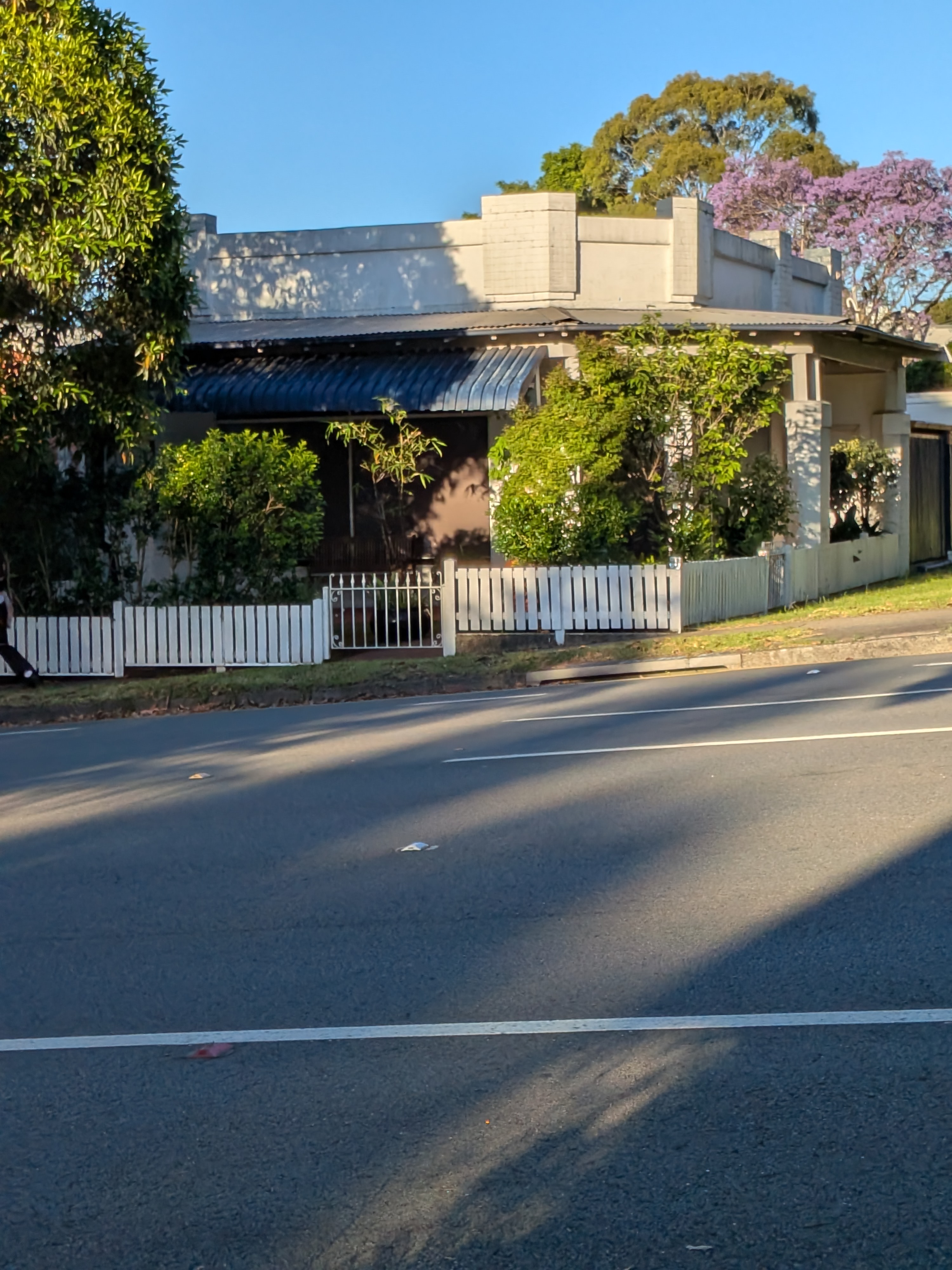
- 43 Rangers Ave, Mosman NSW 2088, AustraliaFederation Queen Anne · built 1990–2015
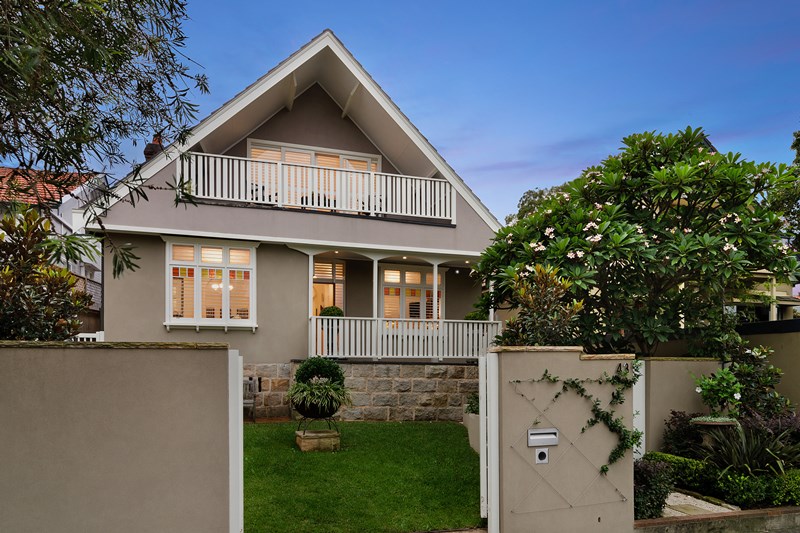
- 53 Shadforth St, Mosman NSW 2088, AustraliaFederation Queen Anne · built 1902–1903
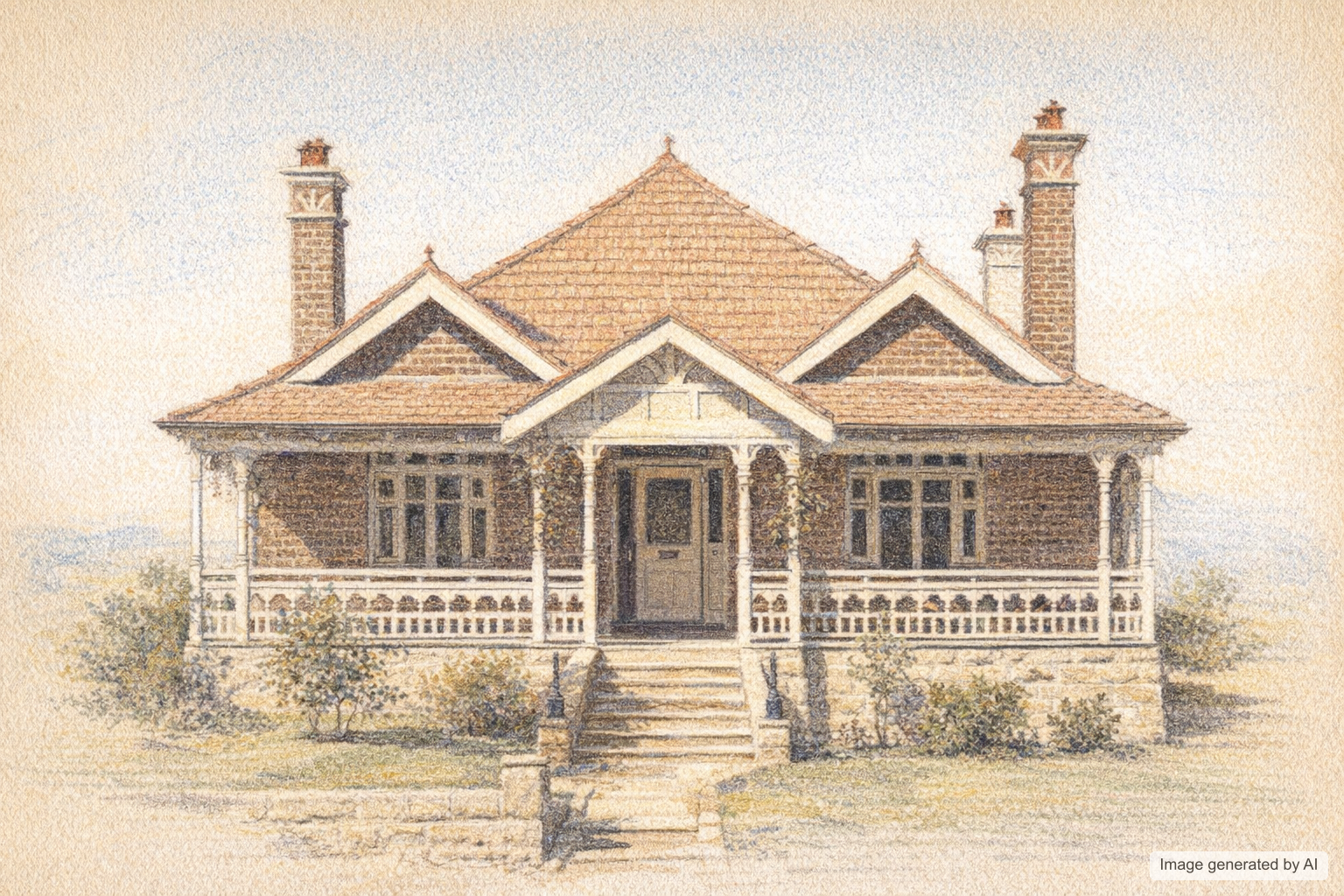
- 97 Ashley St, Roseville NSW 2069, AustraliaFederation Queen Anne · built 1890–1915
Google Street View
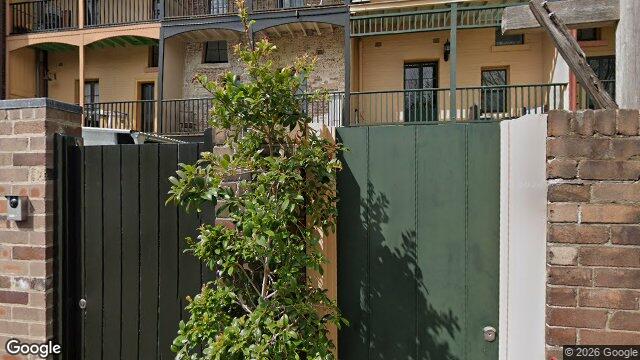
- 69 Lower Fort St, Dawes Point NSW 2000, AustraliaFederation Queen Anne · built 1880–1910
Google Street View
- 23 Battle Blvd, Seaforth NSW 2092, AustraliaFederation Queen Anne · built 1895–1915
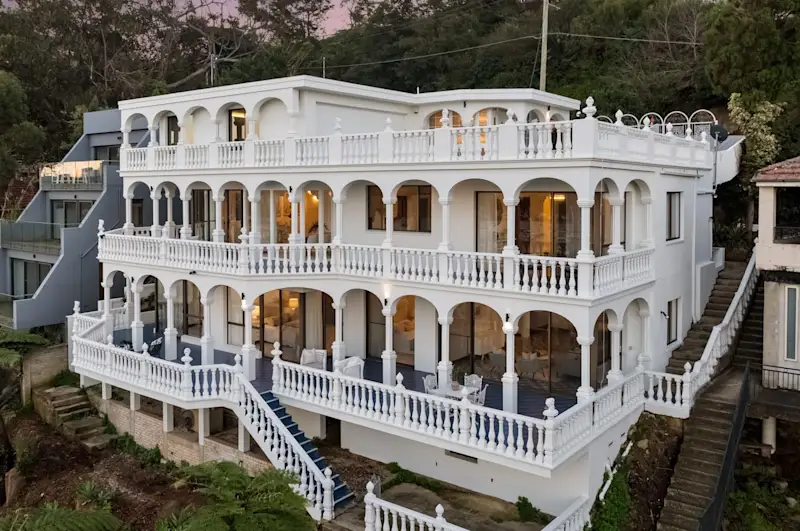
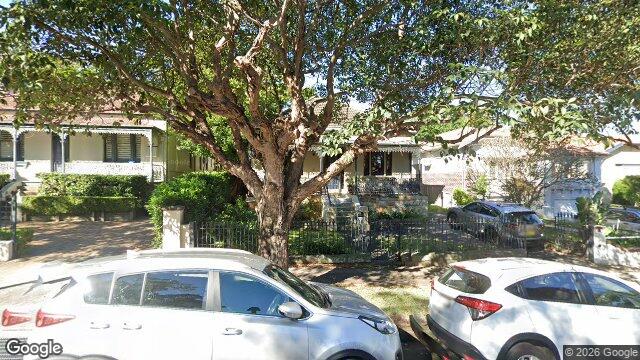
- 85 Shadforth St, Mosman NSW 2088, AustraliaFederation Queen Anne · built 1900–1915
Google Street View
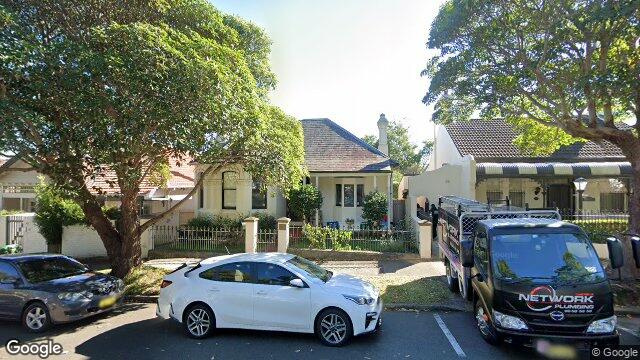
- 114 Shadforth St, Mosman NSW 2088, AustraliaFederation Queen Anne · built 1900–1915
Google Street View
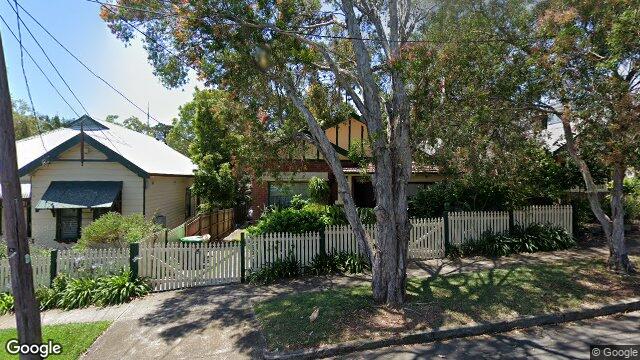
- 5 Gore St, Greenwich NSW 2065, AustraliaFederation Queen Anne · built 1900–1920
Google Street View
- 55 Shadforth St, Mosman NSW 2088, AustraliaFederation Queen Anne · built 1900–1915

- 72 Raglan St, Mosman NSW 2088, AustraliaFederation Queen Anne · built 1895–1910
Google Street View
- 13 Shadforth St, Mosman NSW 2088, AustraliaFederation Queen Anne · built 1890–1915
Google Street View
- 11 Shadforth St, Mosman NSW 2088, AustraliaFederation Queen Anne · built 1900–1920
Google Street View
- 65 Shadforth St, Mosman NSW 2088, AustraliaFederation Queen Anne · built 1890–1910
Google Street View
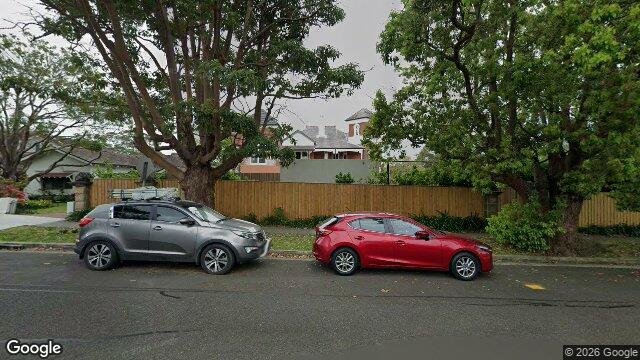
Style names and periods follow Richard Apperly, Robert Irving and Peter Reynolds, Identifying Australian Architecture (1989). Sketches are illustrations generated for this guide, not photographs of real houses.