Late Twentieth-Century Sydney Regional
c. 1960– · Late Twentieth-Century period
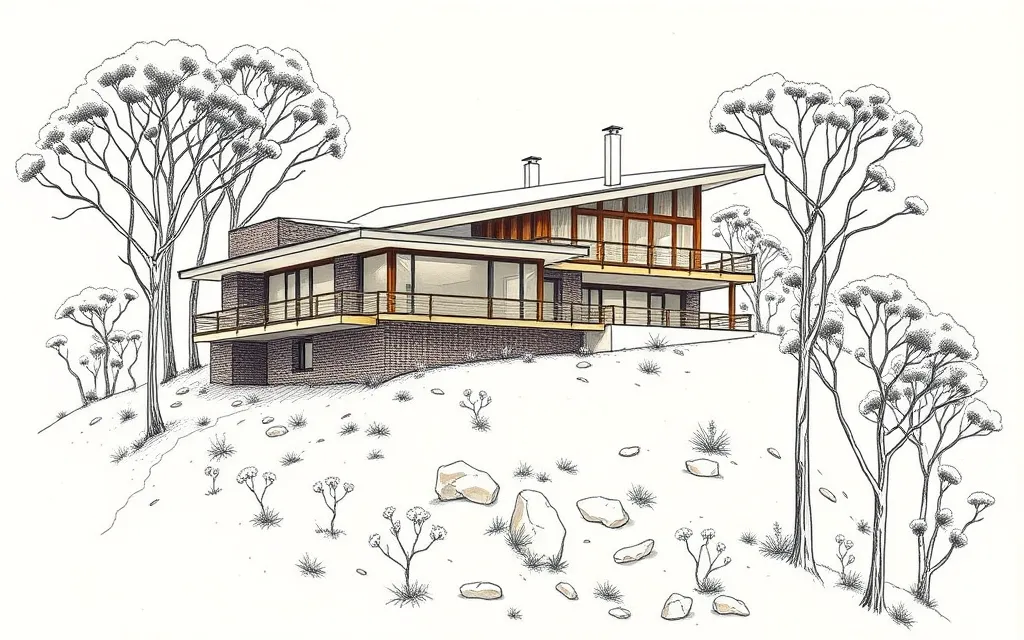
Dark brick and timber houses that step down bushland slopes under split skillion roofs, known as the 'Sydney School'.
Description
Late Twentieth-Century Sydney Regional houses, often called the 'Sydney School', are modern houses that respond to Sydney's bushland sites. They use dark clinker or sandstock brick, stained or oiled timber, and exposed beams.
Roofs are usually skillions at different levels, following the slope of the land, with clerestory windows between them. Houses step down the hillside and are set among the existing trees and rocks.
Key characteristics
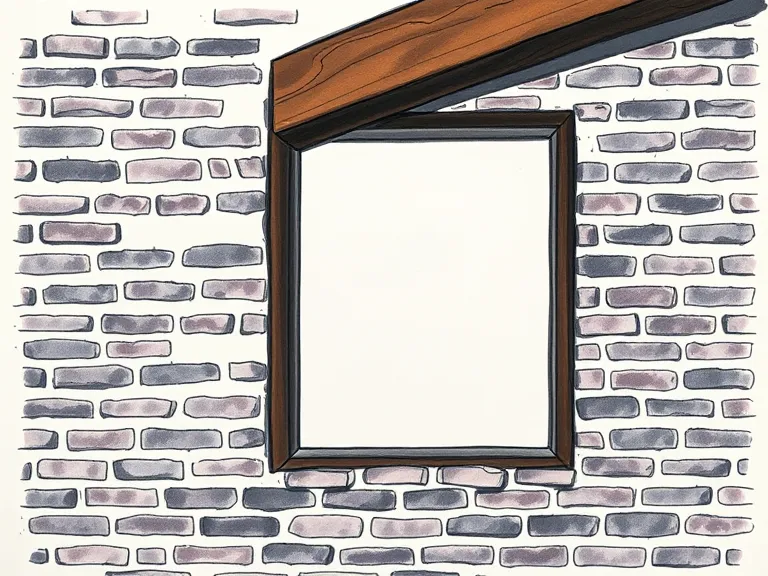
Clinker brick and timber
Dark clinker or recycled brick with stained timber windows and exposed beams.
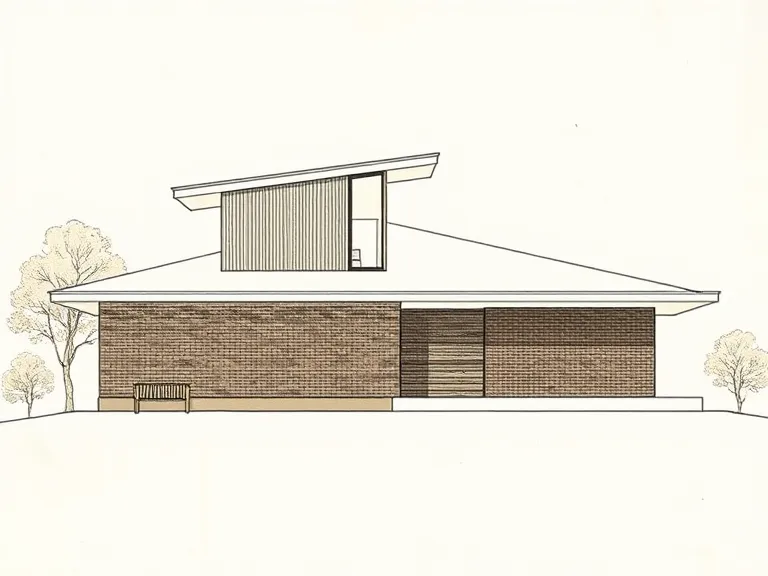
Split skillion roofs
Skillion roofs at different levels with clerestory windows between them.
Stepped plan
Split-level houses that follow the slope of the site.
Bushland setting
Native trees and rock outcrops kept around the house.
Natural finishes
Unpainted materials in earthy colours.
Where you'll find it
- Castlecrag NSW
- St Ives NSW
- Killara NSW
- Mosman NSW
- Hunters Hill NSW
- Avalon Beach NSW
- Clareville NSW
History and context
In the late 1950s and 1960s, Sydney architects including Ken Woolley, Bruce Rickard, Russell Jack and Peter Muller turned away from white modernism towards a warmer, more natural architecture influenced by Frank Lloyd Wright, Japanese houses and the Sydney bush.
Their ideas reached the wider public through project home builders such as Pettit and Sevitt, whose Woolley-designed houses of the 1960s and 1970s brought the style to new suburbs on Sydney's North Shore and northern beaches.
Late Twentieth-Century Sydney Regional homes on history.house
No homes have been identified in this style yet. Identify your home's style from a photo, or search for an address.
Style names and periods follow Richard Apperly, Robert Irving and Peter Reynolds, Identifying Australian Architecture (1989). Sketches are illustrations generated for this guide, not photographs of real houses.