Inter-war Spanish Mission
c. 1925–c. 1940 · Inter-war period
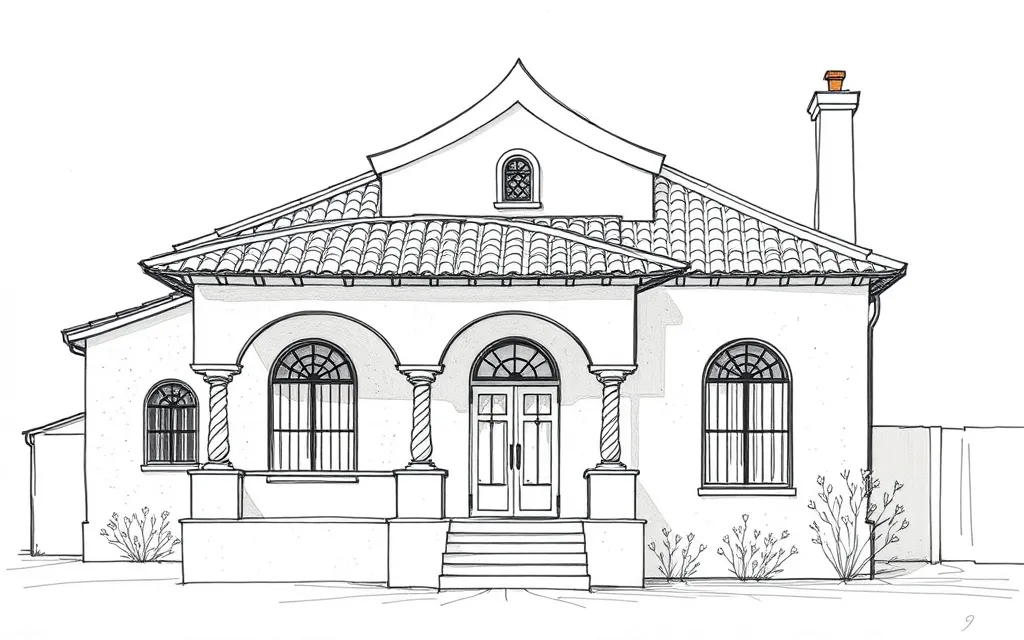
White stucco houses with barrel-tiled roofs, arched loggias, twisted columns and wrought iron, after California's Mission Revival.
Description
Inter-war Spanish Mission houses have white or cream textured stucco walls, roofs of curved terracotta barrel tiles, and arched openings. A front loggia or porch is often carried on twisted 'barley-sugar' columns.
Curved parapets, small balconies, wrought-iron window grilles, and decorative tiles give the style its romantic Mediterranean flavour.
Key characteristics
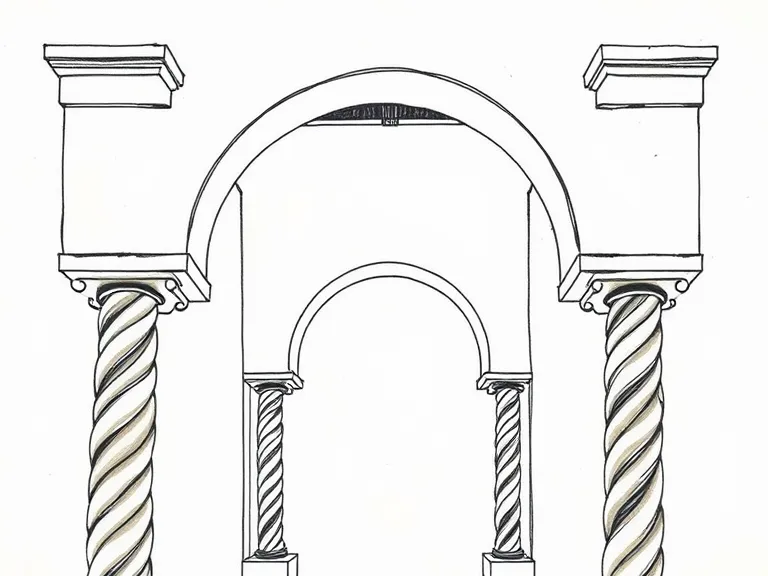
Twisted columns
Barley-sugar (spiral) columns supporting arches, often at the front loggia.
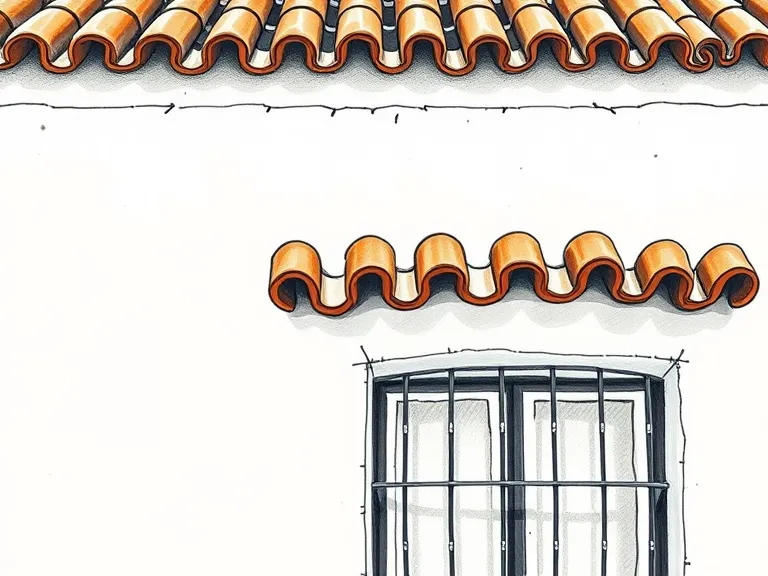
Barrel-tiled roof
Curved terracotta barrel (Cordoba) tiles.
Textured stucco
White or cream rendered walls with a rough, hand-applied texture.
Arches
Round arches to porches, loggias, windows and garage doors.
Curvilinear parapet
A shaped, curving parapet on the front gable.
Wrought iron
Wrought-iron window grilles, balcony rails and lamps.
Where you'll find it
- Bellevue Hill NSW
- Rose Bay NSW
- Vaucluse NSW
- Cremorne NSW
- Brighton VIC
- Elsternwick VIC
- Clayfield QLD
- Glenelg SA
- Dalkeith WA
History and context
The Spanish Mission style came from California, where the Mission Revival recalled the eighteenth-century Spanish missions. Hollywood films and the 1915 Panama-California Exposition in San Diego made it famous, and Australians copied it from American magazines in the 1920s.
It was used for houses, cinemas, service stations and flats, and suited Australia's sunny climate and growing taste for outdoor living.
Inter-war Spanish Mission homes on history.house
No homes have been identified in this style yet. Identify your home's style from a photo, or search for an address.
Style names and periods follow Richard Apperly, Robert Irving and Peter Reynolds, Identifying Australian Architecture (1989). Sketches are illustrations generated for this guide, not photographs of real houses.