Shotgun
c. 1840–c. 1930
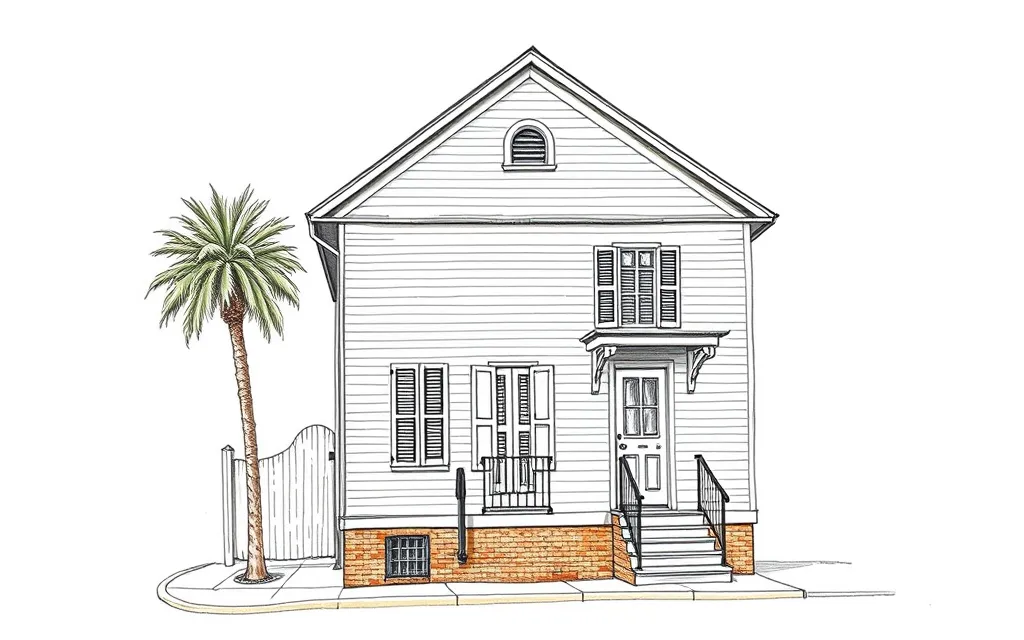
Narrow, one-story houses one room wide and several rooms deep, with a front-facing gable and a small porch, found especially in New Orleans and the South.
Description
The shotgun house is one room wide and three or more rooms deep, with the rooms opening one into the next and no hallway. The narrow end faces the street under a front gable or hipped roof, with a small porch across the front.
Doubles (two shotguns side by side under one roof) are common in New Orleans, and camelbacks add a second story at the back. Shotguns were dressed in the decoration of the day, so many New Orleans examples have Italianate brackets or Eastlake spindlework on their porches.
Key characteristics
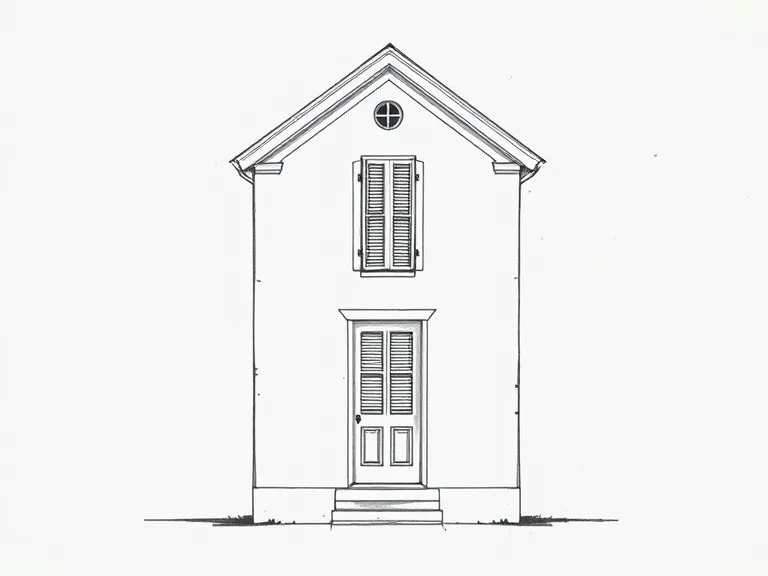
Narrow street front
A front one room wide, often with a door and one window.
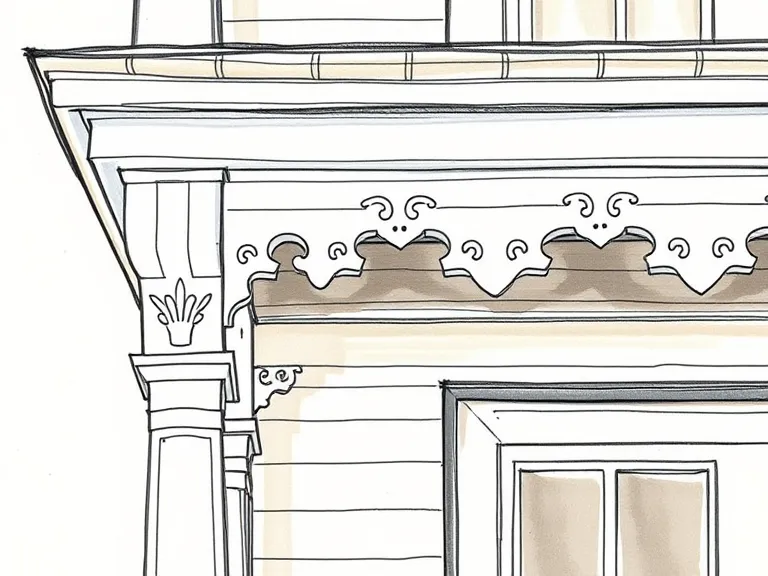
Bracketed porch
A small front porch with decorative brackets, often Italianate or Eastlake.
Rooms in a line
Rooms opening one into the next, front to back, with no hallway.
Front gable
A gable or hipped roof with its narrow end facing the street.
Raised on piers
Floors raised above the ground on brick or wood piers.
Where you'll find it
- Bywater, New Orleans LA
- Marigny, New Orleans LA
- Irish Channel, New Orleans LA
- Louisville KY
- Houston Third Ward TX
- Memphis TN
History and context
The shotgun's origins are debated, but many historians trace it through Haiti to West Africa, brought to New Orleans by free people of color and refugees from Saint-Domingue in the early 1800s. Its name is often explained by the idea that a shot fired through the front door would pass straight out the back.
The narrow, deep plan suited narrow city lots and hot climates, with doors and windows lined up for cross-ventilation. Shotguns spread along the Mississippi and through Southern towns and railroad centers, housing working families into the 1920s.
Shotgun homes on history.house
No homes have been identified in this style yet. Identify your home's style from a photo, or search for an address.
Style names and periods follow Virginia Savage McAlester, A Field Guide to American Houses (1984; revised 2013). Sketches are illustrations generated for this guide, not photographs of real houses.