Late Twentieth-Century Post-Modern
c. 1975– · Late Twentieth-Century period
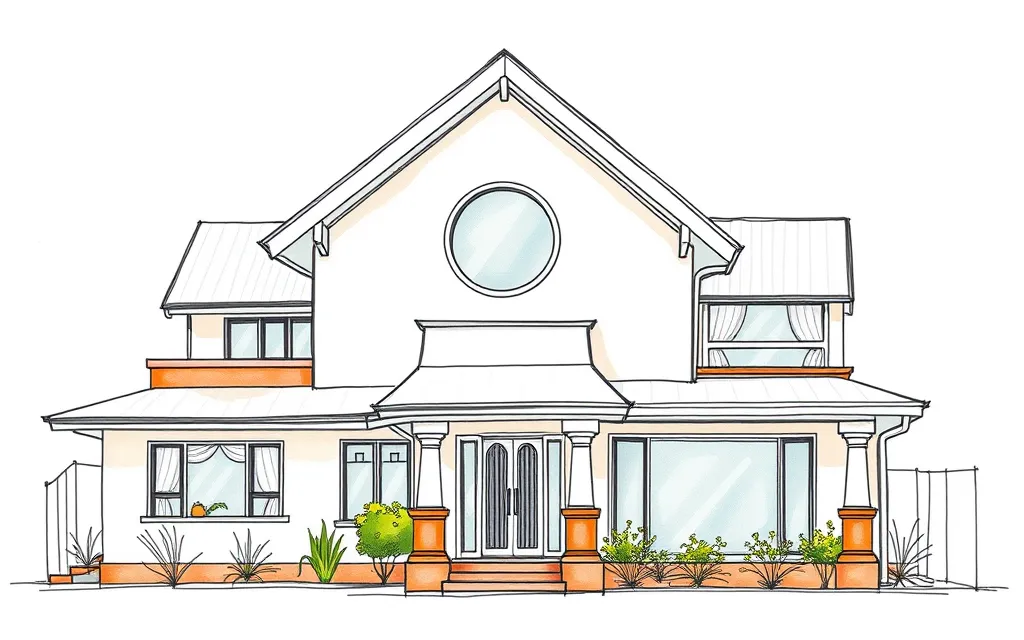
Playful houses that borrow and exaggerate historical motifs, with oversized gables, lunette windows, stylised columns and pastel colours.
Description
Late Twentieth-Century Post-Modern houses reject the plainness of modernism and borrow freely from history, often with a sense of humour. Classical and vernacular elements such as gables, columns, keystones and arched windows are simplified, enlarged and coloured.
Pastel and contrasting colours, symmetrical fronts and references to local building traditions are common.
Key characteristics
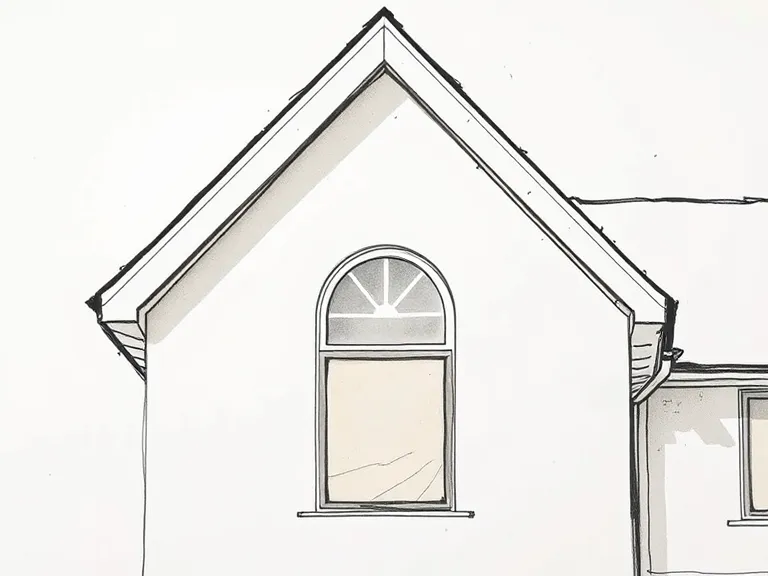
Oversized gables
Large gables, often with a semicircular lunette window and a stylised keystone.
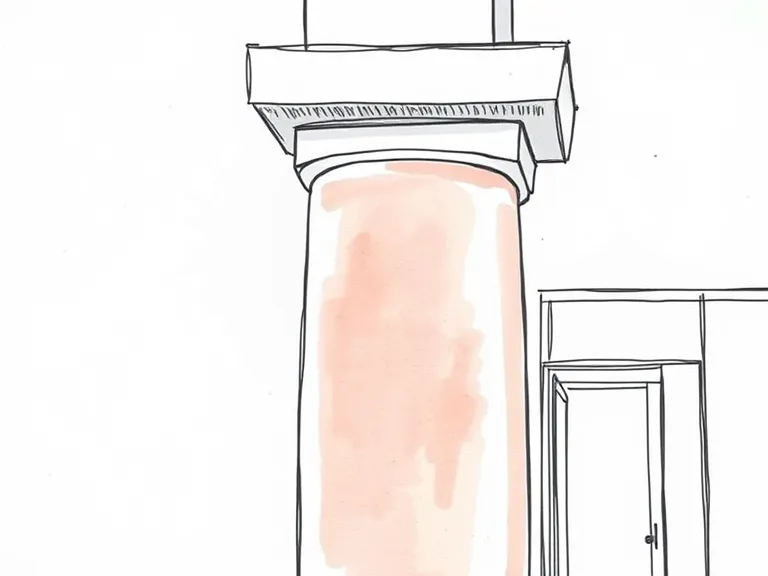
Stylised columns
Simplified, chunky columns at entries and porches.
Colour
Pastels and contrasting colours picking out elements.
Historical references
Quotations of classical, Federation or vernacular details.
Where you'll find it
- Paddington NSW
- Balmain NSW
- Fitzroy VIC
- Carlton VIC
- Kew VIC
History and context
Post-Modernism was popularised by architects such as Robert Venturi and Charles Jencks, who argued that buildings should communicate with ordinary people through familiar symbols. In Australia it was taken up in the late 1970s and 1980s, especially in Melbourne, for houses, renovations and infill buildings.
Late Twentieth-Century Post-Modern homes on history.house
No homes have been identified in this style yet. Identify your home's style from a photo, or search for an address.
Style names and periods follow Richard Apperly, Robert Irving and Peter Reynolds, Identifying Australian Architecture (1989). Sketches are illustrations generated for this guide, not photographs of real houses.