Late Twentieth-Century Immigrants' Nostalgic
c. 1960– · Late Twentieth-Century period
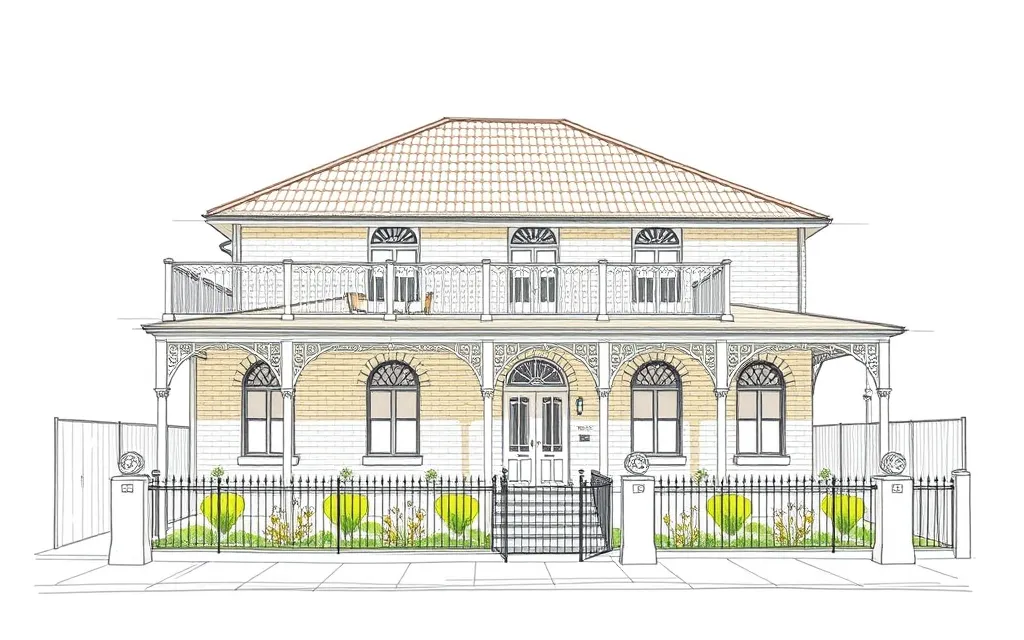
Houses built by post-war migrants recalling Mediterranean homelands, with arched openings, white balustrades, columns and paved gardens.
Description
Late Twentieth-Century Immigrants' Nostalgic houses were built by post-war migrant families, especially from Italy, Greece and Malta, and recall the houses of their homelands. Typical features are arched openings, columned porticos, white balustrades and balconies, terracotta roofs, and decorative front fences with statues on the piers.
Front gardens are often paved, with fruit trees and vegetable gardens behind.
Key characteristics
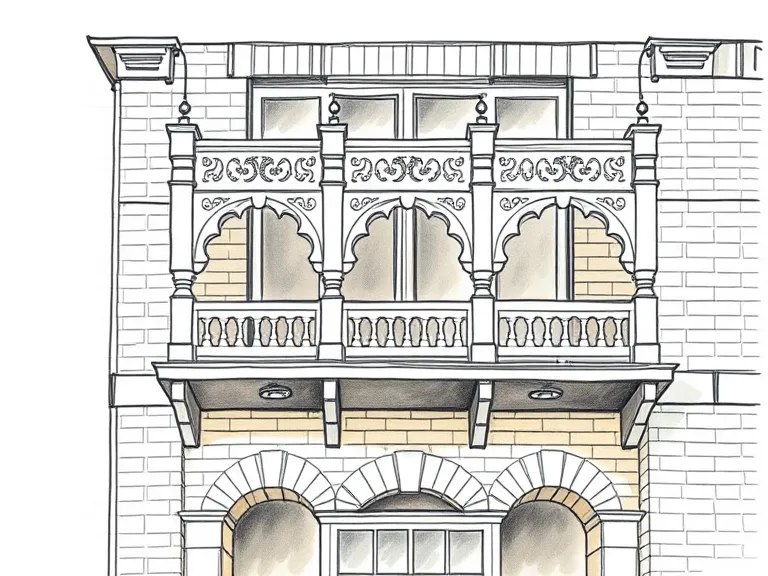
Arched balconies
Arched openings and balconies with white ornamental balustrades.
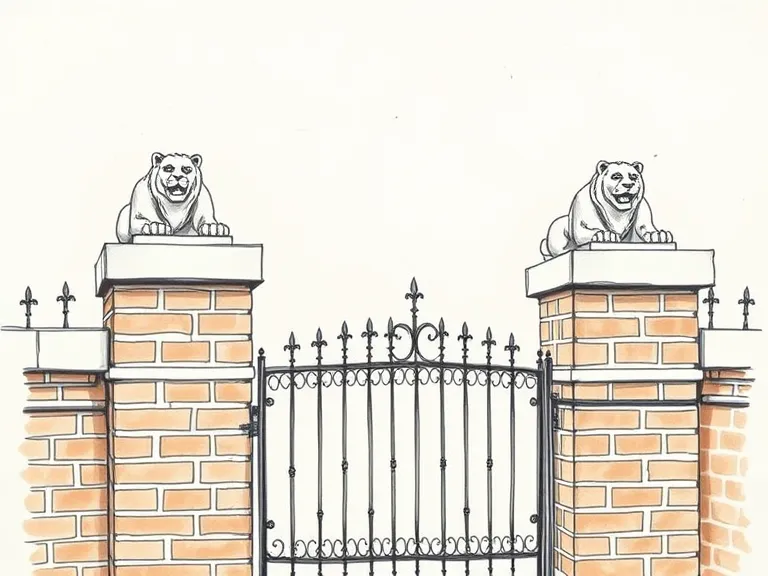
Decorated front fence
A brick or rendered fence with piers topped by lions, eagles or urns, and wrought-iron gates.
Columns
Columns at the front porch or portico.
Two storeys
Often a two-storey house in cream or blond brick.
Where you'll find it
- Thomastown VIC
- Lalor VIC
- Reservoir VIC
- Bulleen VIC
- Templestowe VIC
- Five Dock NSW
- Earlwood NSW
- Concord NSW
History and context
More than two million migrants arrived in Australia between 1945 and the mid-1970s, many from southern Europe. As families prospered, many built new houses or rebuilt older ones in a style that recalled home, sometimes doing much of the work themselves.
These houses were often looked down on at first, but they are now recognised as an important record of post-war migration and suburban life.
Late Twentieth-Century Immigrants' Nostalgic homes on history.house
No homes have been identified in this style yet. Identify your home's style from a photo, or search for an address.
Style names and periods follow Richard Apperly, Robert Irving and Peter Reynolds, Identifying Australian Architecture (1989). Sketches are illustrations generated for this guide, not photographs of real houses.