History of 93 Bay St, Rockdale NSW 2216, Australia
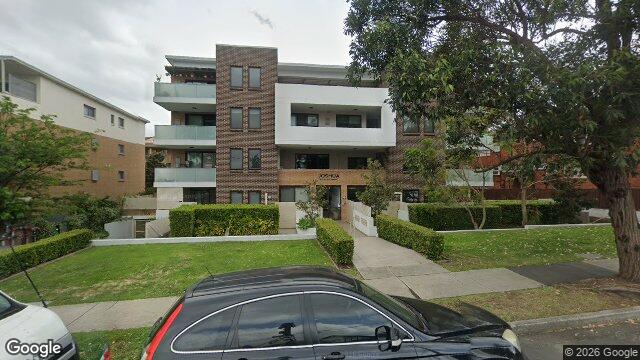
Google Street View
Architectural style
Overview
This building appears to be a modern multi-storey apartment complex with a sleek and contemporary design. It features clean lines and a combination of materials, suggesting a recent construction, likely within the last two decades.
Likely build era
The building was likely constructed around the 2010s to 2020s. This is inferred from the use of modern materials such as glass and steel, as well as the overall minimalist aesthetic. During this period, there was a trend towards urban infill developments and higher-density housing solutions in Australian cities.
Architectural style
The primary style of this building is Contemporary. This style is characterised by its focus on simplicity, open spaces, and the integration of natural light. It often incorporates a mix of materials like glass, steel, and concrete, and embraces environmentally sustainable practices. The design reflects a shift towards more efficient use of urban land and a preference for low-maintenance materials.
Style indicators
- Flat roof: Common in contemporary architecture, providing a sleek, modern look.
- Mixed materials: The use of brick, glass, and metal elements is typical of contemporary styles, aiming for both functionality and aesthetics.
- Balconies: Large, open balconies are a feature of modern apartment living, enhancing indoor-outdoor connections.
- Minimalist facade: The clean lines and lack of ornate detailing are indicative of contemporary design.
- Three storeys: Reflects urban density trends and zoning regulations in suburban areas.
Historical context
In the early 21st century, Australian cities experienced significant population growth, leading to increased demand for housing. This period saw a rise in apartment living as a response to urban sprawl and the need for sustainable development. The focus was on creating efficient, high-density housing that could accommodate more people within existing urban footprints. Architectural trends during this time emphasised energy efficiency, the use of modern materials, and designs that maximised natural light and ventilation. This building exemplifies these trends, contributing to the evolving landscape of Australian suburban architecture.