History of 15 Boundary St, Clovelly NSW 2031, Australia
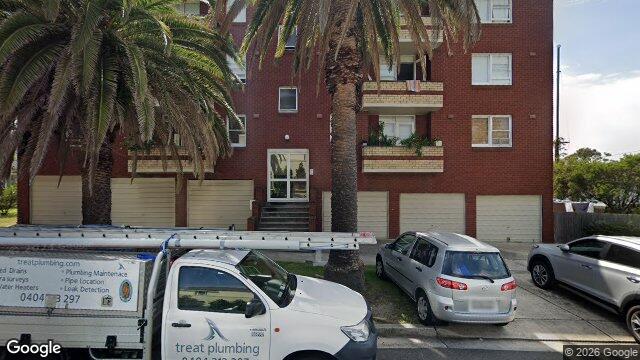
Google Street View
Architectural style
Overview
This building appears to be a mid-20th-century apartment block, characterised by its simple, functional design and use of brickwork. Its overall character suggests a focus on practicality and urban living, typical of post-war residential architecture.
Likely build era
The likely build era for this apartment block is c. 1950–1970. This period saw a boom in apartment construction in urban areas, driven by population growth and a demand for more compact living spaces. The use of brick, flat roof, and minimal ornamentation are indicative of this time.
Architectural style
The primary architectural style of this building is Mid-century Modern, with elements of International Style. Mid-century Modern architecture emerged in the post-World War II era, focusing on simplicity, integration with nature, and the use of modern materials. The International Style, which influenced this period, emphasised volume over mass, balance rather than preconceived symmetry, and the expulsion of unnecessary ornamentation.
Style indicators
- Brickwork: The use of red brick is typical of mid-century construction, offering durability and a straightforward aesthetic.
- Flat roof: A hallmark of International Style, providing a clean, unadorned silhouette.
- Balconies: Functional and simple, these reflect the era's emphasis on practical living spaces.
- Window arrangement: Regular and unadorned, supporting the minimalist ethos of the time.
- Garage doors: Indicate the integration of car ownership into residential design, a growing trend in the mid-20th century.
Historical context
In the post-war period, Australia experienced significant urbanisation and population growth, partly due to immigration. This led to a housing boom, with a shift towards more efficient and economical building methods. The Mid-century Modern style reflected the optimism and forward-thinking of the era, embracing new technologies and materials. The rise of apartment living was also a response to the need for higher density housing in cities, accommodating the growing urban workforce and changing lifestyles.